
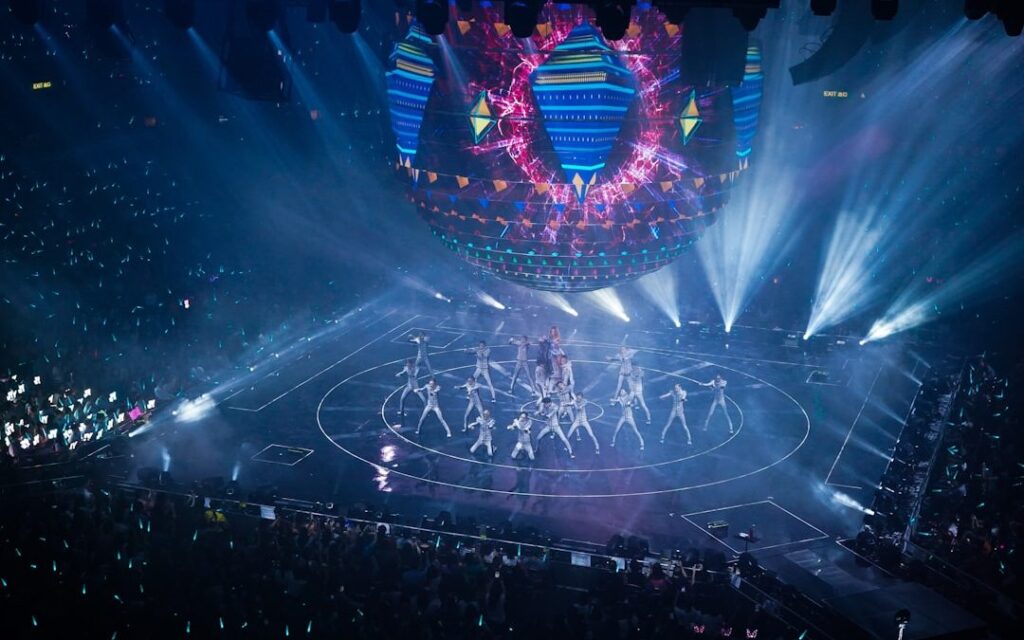
The 2026 Eurovision Song Contest became the subject of a wider political and human-rights debate after several countries withdrew or declined to broadcast the event because of Israel’s participation. The original article reports a substantial fall in audience numbers and examines the issue through the Universal Declaration of Human Rights.
Several rights in tension
Article 19 protects freedom of opinion and expression, including the freedom to seek and receive information. Article 2 establishes the principle of non-discrimination, while Article 27 concerns participation in cultural life.
The Declaration does not create an unconditional individual right to watch a particular televised event, nor does every boycott automatically amount to a human-rights violation. The controversy nevertheless illustrates how decisions by broadcasters, public institutions and cultural organisations can affect access, participation and expression.
Looking at such disputes through the UDHR helps distinguish political choices from legally protected rights while encouraging an informed debate about their consequences.
Original French source: https://connaissezvosdroits.ch/droits-humains-et-boycott-eurovision-2026-ce-que-dit-la-dudh/